Abstract
Industrial development in Greater Philadelphia surged at the start of 2025, with 3.9M SF delivered in the first quarter alone—which is nearly half of the 7.8M SF completed during all of 2024. The Q1 total marks an 86% year-over-year increase in deliveries, signaling a front-loaded wave of supply hitting the market.
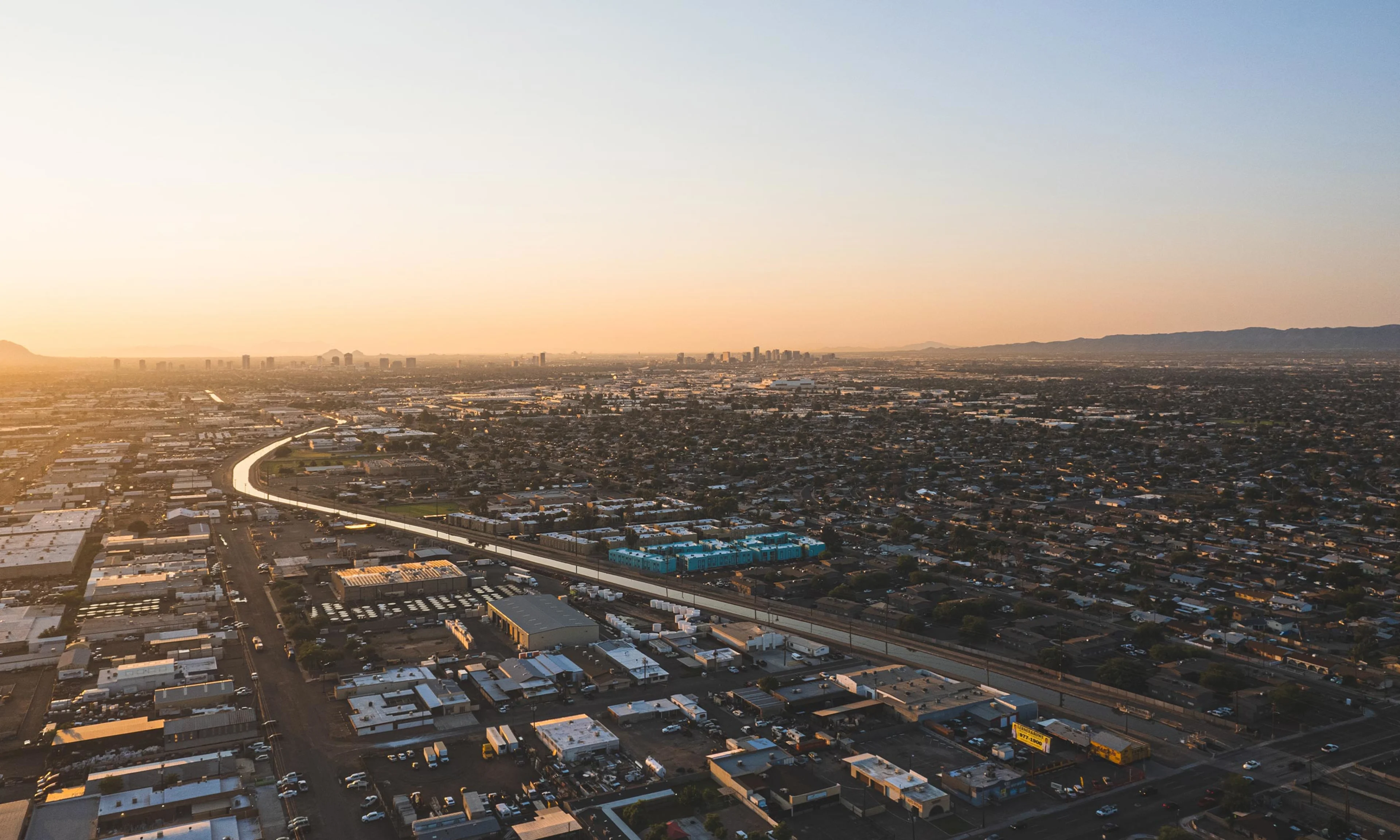
Phoenix
ECONOMY
Consumer goods demand hinges on how much tariff related price increases reduce domestic demand, and retaliatory tariffs reduce international demand. Absent an immediate and substantial reversal of tariffs, domestic and international goods demand will decline reducing this demand driver. Potentially offsetting these to some degree is hoped for but not certain middle- and lower-income tax cuts.
Implementing tariffs can benefit domestic manufacturing industries by reducing imports from certain countries, supporting job growth, and providing a boost to the manufacturing sector. Additionally, tariffs could potentially encourage foreign manufacturers to relocate production to the United States. However, while there are opportunities for growth, the implementation of tariffs may negatively impact domestic consumers who rely on foreign parts and materials, as the rising costs of imported goods would ultimately affect consumer prices.
CONSTRUCTION
The Phoenix industrial market saw 6.7 million square feet (M SF) delivered in Q1 2025. This is a decrease of 21.2% from the square footage delivered in Q1 2024. The Northwest submarket saw the greatest number of deliveries so far this year with nearly 5.2M SF or 77% of the market total.
The pipeline under construction as seen a significant reduction with just 16.3M SF in the first quarter. This is due to the lack of new starts in the market which have seen a decline of 70% since Q1 2024. With just 2.2M SF of starts in the first quarter, the pipeline will remain lower than it has been over the past several years.
MARKET CONDITIONS
The vacancy rate for the Phoenix market kicked of the first quarter at 12.7% . While above the long-term average of 9.3%, this is only a 20-basis point (bp) increase quarter-over-quarter (QOQ). Still up 310 bps from Q1 2024, the lack of construction starts and shrinking pipeline will help offset additional vacancy increases.
There was a 14.8% increase in sublease space QOQ bringing vacant available sublease space to 7.3M SF for Q1 2025. This is a significant increase YOY but makes up just 1.5% of total vacant available space in the market. Overall, sublease space is helping provide occupiers with some lower cost options in a desirable market.
The Phoenix market started off 2025 with a substantial increase in net absorption both YOY and QOQ with 3.3M SF. This is up 53% over the 2.2M SF reported at Q1 2024.
The Northwest and Southwest submarkets saw the most positive activity, both seeing at least twice as much positive absorption QOQ. Activity in the 100,000-300,000 SF size range was the most active in the first quarter.
There is still a lot of uncertainty in the market among users surrounding the new administration and the impacts tariffs will have on the economy and the subsequently the industrial market. While there is a lot of optimism, many are still in “wait and see” mode and the demand in the market will be very submarket dependent and opportunistic.
Asking rent growth has slowed to 2.1% YOY bringing the asking rent per square foot per month (/SF) to $1.13. Rates are still climbing slightly, and landlords are holding on asking rents. However, deals signed are seeing large amounts of concessions to meet occupancy requirements.
Top submarkets will continue to see higher rent growth throughout the year. All submarkets in the Phoenix industrial market saw increases with the Southwest and Northeast seeing the largest increases of 3.1% in both markets which is in line with the long-term average growth rate of 3.1%.
It is likely that in 2025 rents will continue to see slight increases or remain flat in most submarkets as vacancy stays high. This is an excellent opportunity for occupiers to capitalize on quality space options in the market before the lack of deliveries begins to impact vacancy and later, asking rents.
Continue reading this report via the below PDF link.